Brainstorming Session for Upcoming Project
Brainstorming Session for Upcoming Project
আসন্ন মরীচিকার মাঝে
আসন্ন মরীচিকার মাঝে Exhibition date: 21 Nov – 5 Dec, 2025 Artist: Tadashi Watanabe, JapanPerformance Empty No.28: 21st and 23 Nov, 2025, 6 pm Statement: January 4 th,1973 Tadashi Watanabe was born.May 1991 : Tadashi Watanabe quit the design course of Osaka Art College Technical school.April 1994 : Tadashi Watanabe entered the picture course of Nagano Art Technical school.October 1996 : Tadashi Watanabe produced “GENZON-HYOGEN” live performance in TOKYO and NAGANO.September 1997 : Tadashi Watanabe performed at “TRANA ART COMMUNICATION” in Slovakia and Hungary.June 2001 : Tadashi Watanabe performed at “ON THE EDGES” International Festival in Lietuva. May 2002 : Tadashi Watanabe exhibit “2002 Flag Art Festival” 2002 FIFA WORLD CUP KOREA/JAPAN in Korea.April 2003: Sharjah International Biennial 6 in U.A.E.August 2003: Tadashi Watanabe performed at GARAPAGPS ART SPACE in NY. May 2004: Exhibition at GARAPAGOS ART SPACE IN NY.September 2004: Exhibition at TRIBES Gallery in NY.April 2005: Exhibition at CAVE Gallery in NY.February2022: Held a special exhibition at the Okaya Museum of art in Nagano,japan.September2022. :My Exhibition at Ryugenji Temple in Nakano city,Nagano, japan.June 2023: Solo performance at Art share LA in USA.July 2023: Tadashi Watanabe organized the “beyyond the soul” performance art festival in japan.November 2023: My Exhibition at Azumino museum in Nagano, japan.July 2024: Tadashi Watanabe organized the “beyyond the soul” performance art festival in japan.July 2025: Tadashi Watanabe organized the “beyyond the soul” performance art festival in japan. https://youtu.be/5q0vaRtgO70https://www.youtube.com/watch?v=EjUgt-UfiF8
RANDOM
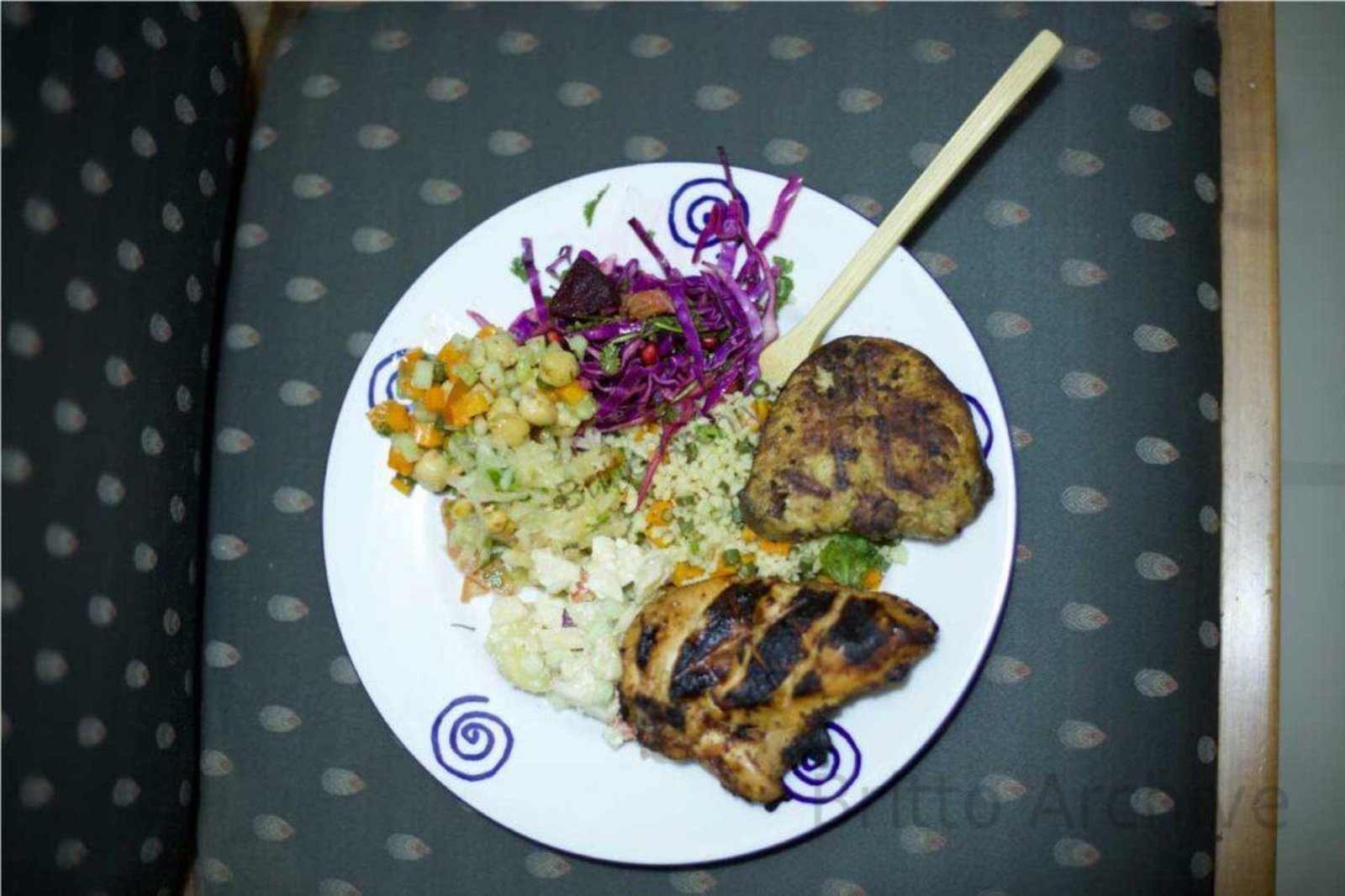
Random The ‘Space’ show in 2012 was dedicated to 10 years journey of BRITTO and inauguration of its new and permanent premises at Green Road with work of all Britto members. The second groups effort of the members was to create a large collective project in on month, a black and white wall mural inside Britto titled as ‘Overlapping’ in 2013. The last group exhibition of the members was titled as ‘Cross Casting’ – a project focused on cross gender casting in 2014. ‘Space’ and ‘Cross Casting’ both were curated by our in-house curator/ artist Mahbubur Rahman. RANDOM is distinct to showcase the togetherness of this unit of artists from Britto once again vigorously but randomly.. The works are chosen without regard to any characteristics of the individual participants, so that each work has an equal chance of being exposed. The Character of the show is having a value that only can be depicted the prospect of the team-work over the years. 20 artists from different background have come up with 20 works to set up ‘Random’ – the fourth group exhibition by the members of Britto.
ZERO WASTE-FoodArt
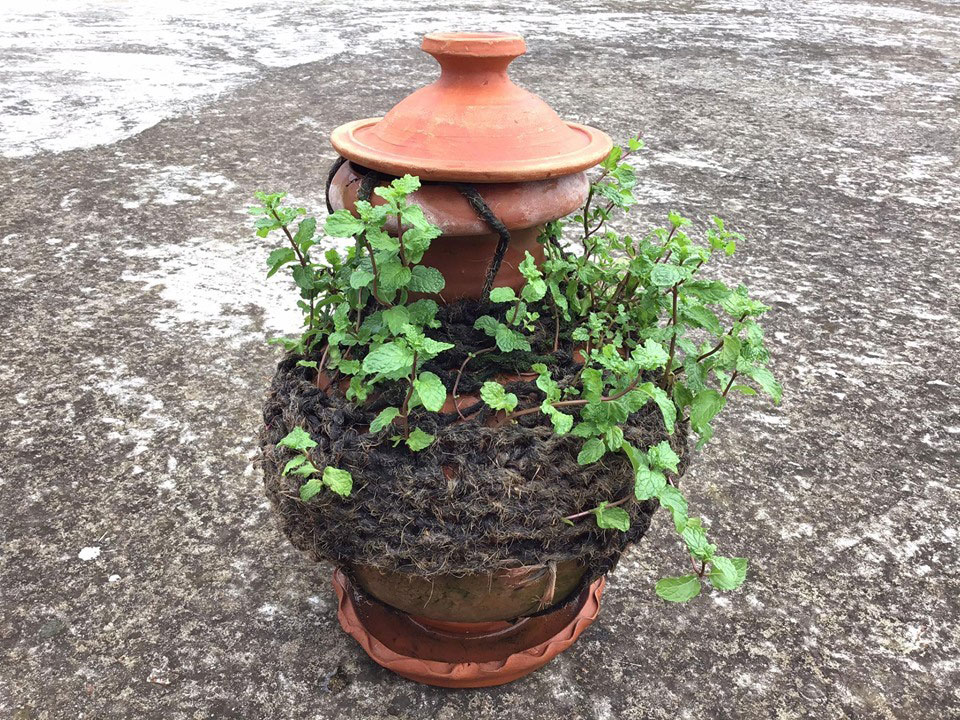
Zero Waste Regardless of where we live, how old we are, or what beliefs we hold, our race, social status and position each of us is affected by this extraordinary surreal situation amid COVID-19. Together we have been immobilised for days or months now. We are trying hard to fight the virus every moment without knowing what is next. The novel Corona virus has sped around the world is yet spreading aggressively in many locations and frequently depicted as a wave in the globe. Poorer or developing countries including Bangladesh is already going through an enormous crisis of job and food while most people are hand to mouth over here. In this highly dense country, in one hand, many do not even realize the high risk and danger of this deadly virus and social distancing seems impossible in their lives, although on the other hand, many are struggling to survive and fight putting themselves in self-isolation and keeping social distancing. The economy of the most powerful developed countries already have fallen down that will definitely badly affect us in the coming days. Everywhere, art and artists are experiencing increasing pressure, as public spaces are avoided these days and there is no commerce related to art and culture this time. It is indeed in times of Global crisis when the power and need for art and culture are most apparent. We believe challenging times can bring out the worst or the best in society. We need to follow the solidarity and commitment to the positive. Overlooking our previous practice and superficial ideas, in times of this frustrating pandemic, extremely needed transformative power of our art & culture will be our response. During this most challenging time of the history, Britto has initiated an inspiring project focusing on Food and Art. Ensuring the social distancing, a number of artists, writers, artisans, makers, communities and farmers are engaged with the project for months from March 2020 and eventually at least a year ahead and beyond. An ecosystem is organically developing and many artists’ are experiencing the biodiversity throughout this process of growing and making. Learning, investigating, researching and negotiating have become the part of the process as well. Chittagong based Santaran Art Organization and Thakurgaon based Gidree Bawlee and a group of individuals have already joined the project from each location. Two vital actions needed to be implemented focusing on ‘Zero Waste- FoodArt ’ time frames: a) Immediate action: 1-3 month b) Long term project: 12 months and beyond The first one includes artists who would like to make or supply food while the second one focuses on the long term involvement of the participants to germination, plantation and growing vegetables, fruits and main crops such as rice. Zero Waste – FoodArt has four major elements: 1) Growing/planting vegetable or crop as well as making /supplying food. 2) Sharing/distributing homegrown foodstuff or homemade/ readymade food with neighbors or any other people in need. 3) Using every possible part of the vegetable/ crop and all available empty spaces around. 4) Throughout the process of growing and harvesting the artists would create artworks implementing natural materials/waste from own agriculture via any possible form of art. How it is ‘Zero Waste’? The art materials that we use for artworks are not meant to be reused in most cases. But this time as food is our main material, the artists would recycle the produced food/crops/ packaging without wasting anything related to the project. Whatever land/space is available or lying next to us would also be used as part of growing foodstuff. This is how we introduce- ‘Zero Waste’. Throughout the process of farming, making, distributing or organizing food, the artists are welcomed to create site specific, land art, installation, performance, drawing, diary writing, book making, documentation via photography and video, online/offline interaction, implementation of educational & research based ideas on their own terms. A number of group video calls are made by the whole team of the project discussing, sharing and brainstorming the possibilities about how some of the artists would also like to use the available empty spaces across the country to grow crops/ vegetables for the people who are in need of food due to the pandemic. Learning from elderly members of the family, agriculture expert as well as the farmers from the villages giving a new dimension and expansion to the whole project. Artists are sharing their new experiences of successes and failures as well as discovering a new understanding of the earth, plant, nature, ecology and biodiversity amongst each other via the group video meetings time to time. Who are the beneficiaries? The mainstream deprived people, different ethnic communities from remote areas, slum dwellers, the homeless people, children from a brothel and the jobless people from suburbs who depend on the towns or cities to survive are the beneficiaries of the final foodstuffs. To extend and expand the project as part of the solidarity, we are inviting interested artists/ art organisations/ collectives from any location of the globe to join the project ‘Zero Waste-FoodArt’. The participating artists/ organisations/ collectives have to raise their expenses to execute their own project. THE LIST OF THE PROJECTS & LOCATIONS WITH THE ETHNIC COMMUNITIES & VILLAGERS Project initiator: Molla Sagar Project Title: Aush- আউশ Location: Pirgaccha- Chunia, Modhupur Forest Molla Sagar lives and works in a Mandi (ethnic group) community of the Modhupur Forest. Aush is a genre of rice that used to be cultivated in past before the IRRI took place. Usually there are two types of main rice cultivated twice a year only. The artists convinced a Mandi family to use a piece of land to cultivate Aush using organic old method. No synthetic but the natural fertilizer is used in this land. As a documentary filmmaker, Molla Sagar will make a film on the whole process and will capture the still images as part of his own work. Project initiator: Gidree Bawlee Project name: Kitchen Garden Location: Molani Para, Thakurgaon
Book Making Workshop
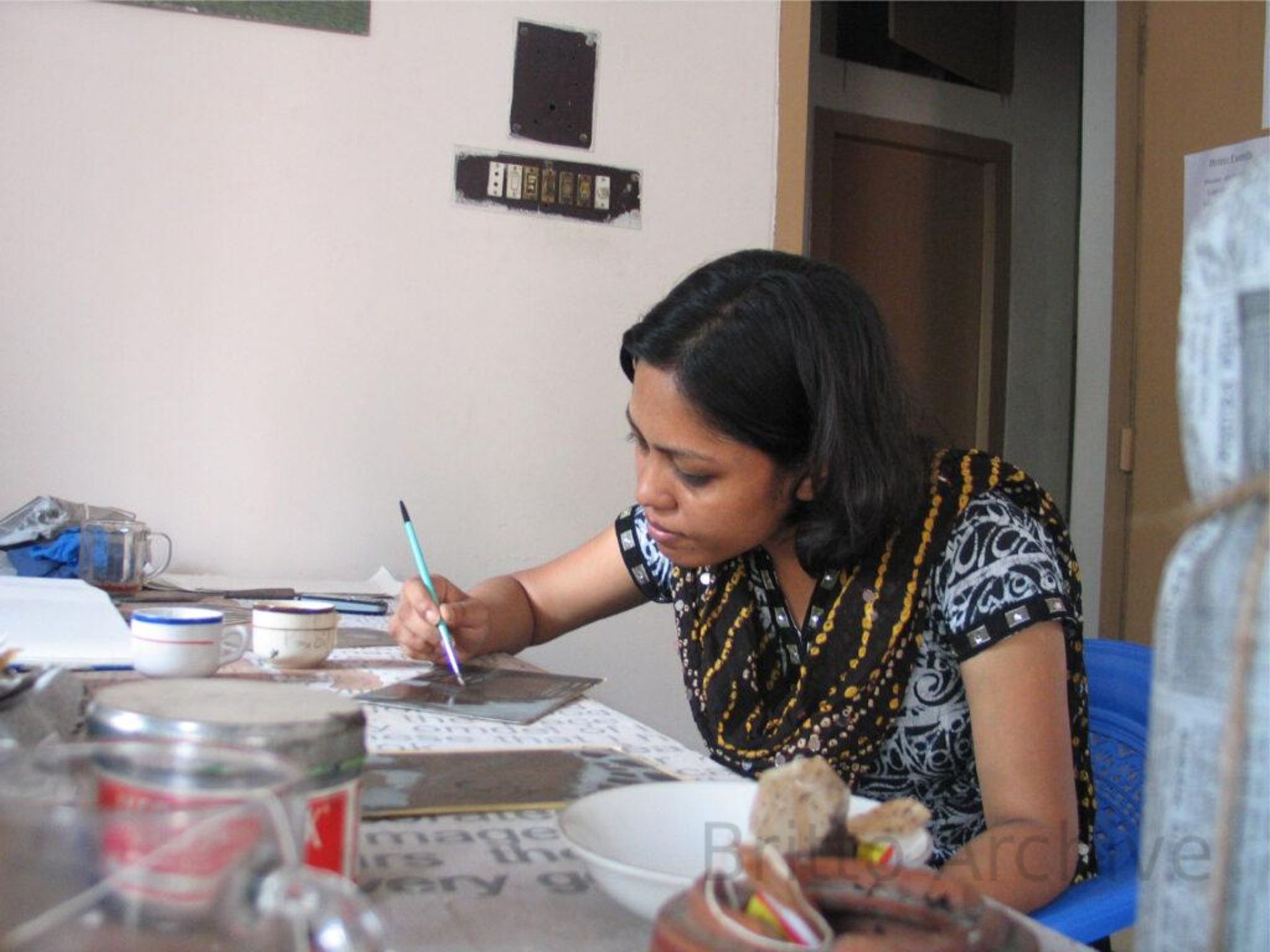
Book Making Workshop (Etching and Screen Print Process)Conducted by Paula Sengupta, IndiaAt Porapara Space for Artists’, Chittagong From 5-10 June 2008 Participants1. Zahed Ali Chowdhury2. Bivol Saha3. Abu Naser Robii4. Shatabdi Shom5. Sanjib Datta6. Sufia BegumAt Britto, Dhaka From 21-26 June 2008 Participants1. Naima Haq2. Saleh Mahmud3. Shaon Akand4. Kamruzzaman Sagor5. Upama Shirin6. Nagar Bashi Barman7. Josaia McNamara
ছায়াছবি CHAYACHOBI_2022
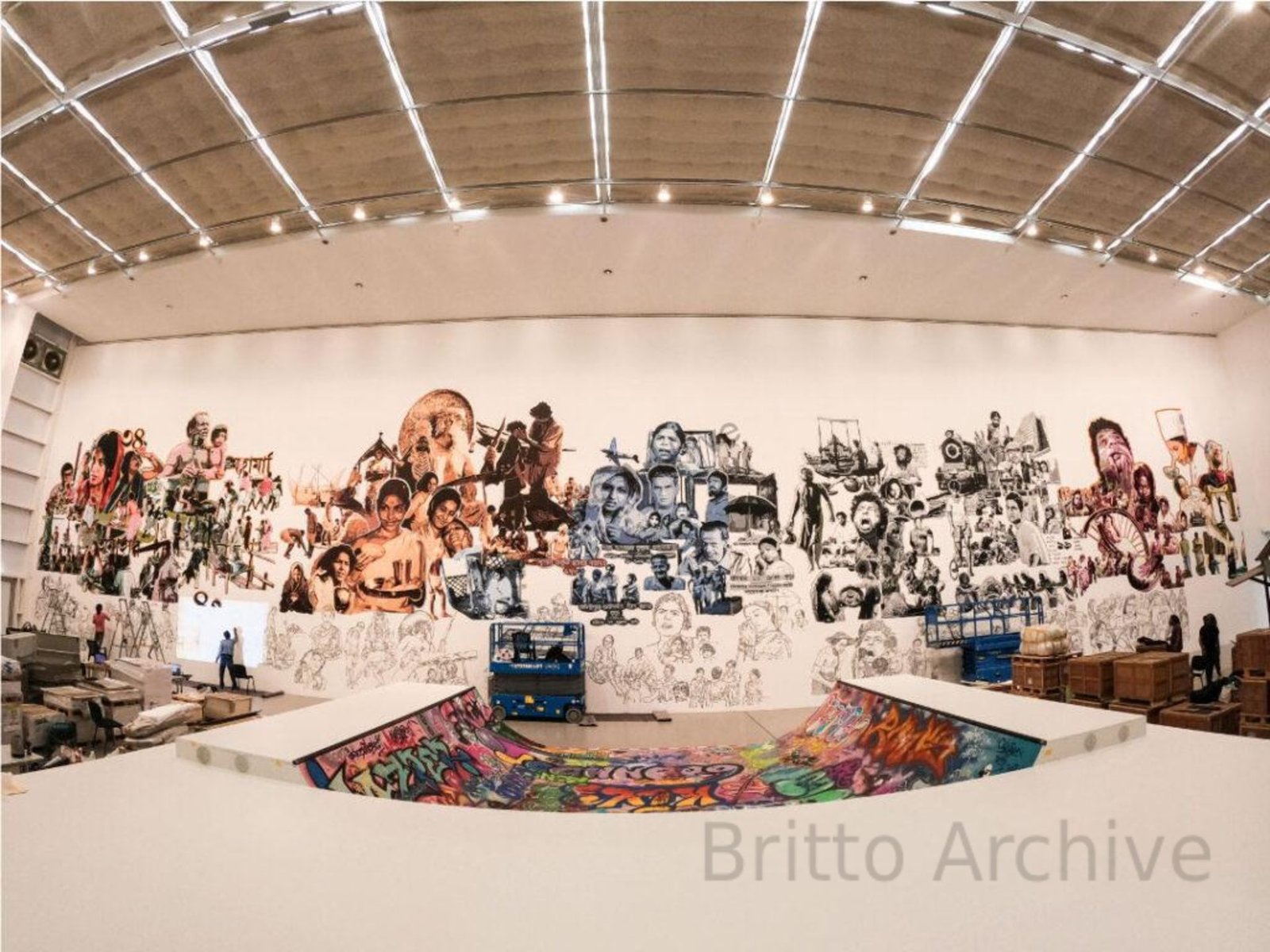
ছায়াছবি CHAYACHOBI– MURAL PROJECT ON BANGLA CINEMA 2021- 2022Acrylic on Canvas & Wall 14 Contemporary Artists and 1 Cinema Banner painter and 1 rickshaw painter teamed up the Mural project and have worked together for more than three months at the Studio Mahbub & Lipi in 2021. Seven Bangla films from Bangladesh and West Bengal, India were chosen to be worked on via a month-long research watching and discussing about number of films. The films that are selected however were motivated by the food & food politics, war, manmade famine, social condition etc. The Mural was influenced by the typical cinema banner painting from Bangladesh. Containing strong political statement these seven films depicted different timeframes that are historically connected to the subcontinent. The effect of second world war, partition in 1947, war in 1971 as well as the recent past are illustrated by 7 eminent directors from Bangladesh and India. ARTISTS Abdur RabJewel A RobArpita Singha LopaAzizee Fawmi KhanJinnatun JannatMahbubur RahmanMahbubur RahmanMehedi HasanEmran SohelRakib AnwarSarah JabinSayed Fida HossainShimul SahaShree Tapan ChandraTayeba Begum LipiYasmin Jahan RESEARCH TEAM Jewel A Rob, Imran Hossain Piplu, Lutfun Nahar, Mahbubur Rahman, Mahbubur Rahman, Mehedi Hasan, Emran Sohel, Shimul Saha, Tayeba Begum Lipi
রসদ RASAD_2022
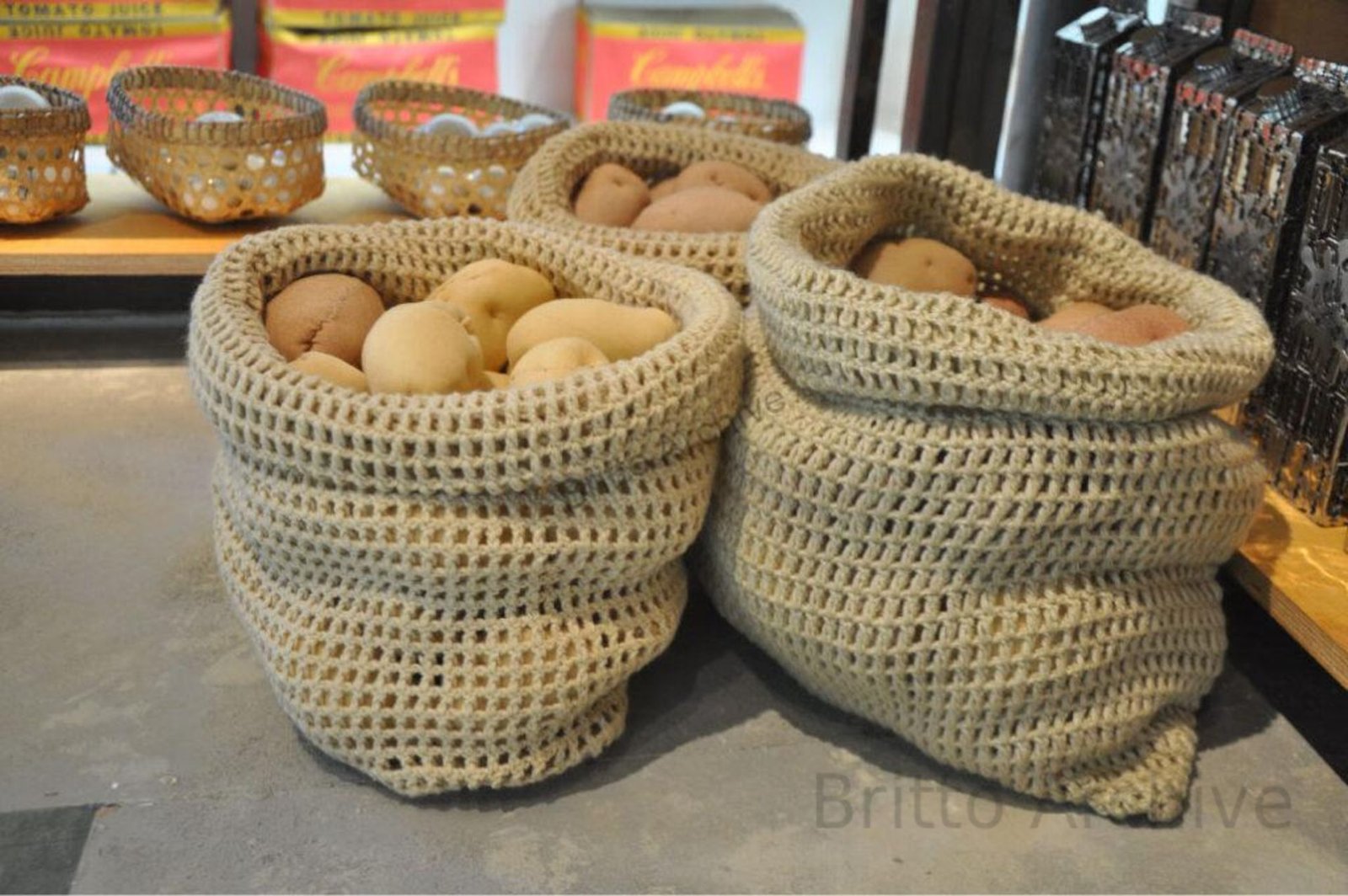
রসদ RASAD – FOOD OBJECTS Local Bazaar and SupershopCeramic, Metal, Fabric, Cotton and natural spices and seeds The Bengali word Rasad stands for FOOD in general. It can be either food for eating or food as the storage of knowledge and ideas towards any kind of creative actions.These days we are ignoring the natural resources and organic lifestyle. We are part of a global corporate market now. In our competitive market branding grab the attention of the ideal customers. Beautification of food, giving each product an ideal shape, size or color have becomethe most vital part of our food culture. We belong to a world of hybrid seeds, synthetic fertilizers, and chemical or pesticide process in growing vegetable, fruits and crops in Bangladesh. Only these days’ people started to rethink about the organic gardens.Working with a larger ecosystem a number of local workshops were organized with the artists from different parts of Bangladesh. The final products were done by the following artists consisting few months of work at a ceramic studio with the help of a team of assistants and an expert. Apart from the ceramic objects there are embroidered objects and metal made objects done separately at various venues. The small objects not only appear as a food object but with various statements on the politics of food that are imposed by the agricultural giants from the powerful countries. The potential harm on our health, environment, traditional farming as well as to name, many other damages can easily be accused on the genetically modified organism (GMO) that is being applied to our food. Use of DDT, excessive pesticides have become a huge threat on the human as well as the other spices. The genetically modified seeds have taken over the organic seeds somehow, we struggle growing plants, vegetables, fruits or having organic food as we all understand the word ‘organic’ has become a lie by the time. OBJECT ARTISTSAKM Maynul IslamAlok Raj BongshiMD. Aminul IslamAshim Halder SagorFarhana FerdausiImran Hossain PipluMahbubur RahmanShimul SahaShimul DattaS.M.Saha Anisuzzaman FaroqueTayeba Begum Lipi DESIGN TEAM Of THE LOCAL BAZAAR Kazi Sydul Karim, ArchitectMahbubur Rahman, Visual Artist
পালান PALAN _2022
পালান PALAN – ORGANIC KITCHEN GARDEN 2021-2022Bamboo and Iron Clumps PALAN is Known as a very local Bengali Kitchen Garden that usually grown by the women and children of the house. The seeds are organically collected from the vegetables they use for cooking. Usually, a PALAN appears next to the PAKGHOR using dry branches, bamboo sticks, jute sticks or any other available found materials to organically make structures for the plants. PALAN fulfils the sudden needs of cooking or sometimes can grow as the major part of family food. We welcome the participants of PAKGHOR to collect the herbs, mints and vegetables from our very own PALAN on their own terms. ARCHITECTURAL DESIGN TEAM for PAKGHOR & PALAN Kazi Sydul Karim, ArchitectMahbubur Rahman, Visual ArtistShimul Saha, Visual Artist ARTISANS/ MAKERSMandi and Koch communities from Madhupur Forest, Tangail Kalpana Sku, Mukul Rema, Rumjhum Sku, Diganta Sku, Riggi Nokrek, Geeta Rani Barman, Tuton Chandra Barman, Ashik Chandra barman, Biplob Chandra Barman, Anjali Rani Barman, Rupe Chandra Barman, Suhel Chandra Barman , Sonji Rani Barman, Parpoti Rani Barman, Monju Rani Barman, Hiru Chandra Barman, Muchu Chnadra Barman, Dipaly Rani Barman, Boidya Chandra Barman, Bogi Rani Barman, Prakash Chandra Barman, Shila Rani Barman, Shimul Chandra Barman, Gautam Chandra Barman, Tara Rani Barman, Babita Rani Barman, Mani Chandra Barman, Shuren Chandra Barman, Pushpa Rani Barman, Munna Chandra Barman, Md. Lal maud Fakir, Md. Abu Sayed Ali, Md. Esahak Ali, Md. Kased Ali, Md. Abbas Ali, Md. Jaidul, Md. Mostafa, Md. Musharaf Musa, Md. Saheb Ali, Bipul Jangcham, Provat Dlopo, Bithul Chicham, Mojes Rema and Md. Anwaruzzaman.
পাকঘর PAKGHOR _2022
পাকঘর PAKGHOR – THE SOCIAL KITCHEN 2021-2022Bamboo, Clay slabs, Iron Clumps etc. In Bangla traditional kitchen stands for the word PAKGHOR In the countryside of Bangladesh, we did not have a concept of living room or dining room in past. PAKGHOR. was the place that usually covers both the needs of a family. It is indeed a meeting place for the family members at where they share, discuss, chat, plan and so on as part of a family life. From serious discussion to fun to emotion to anger or from plan to process to result related to one’s life eventually become part of a PAKGHOR. While the women of the family cook food, other members of the family provide the company in many ways. Although there is no sofa or dining table arrangement, PAKGHOR typically is predetermined to be a cooking as well as sitting and eating space. The effect of Food Politics as a global language that somewhat respond to the the wars, politics, displacement, migration, coemmercially grown food, food control, conolisation, femine, hybrid culture and inorganic lifestyle we live in. Despite all negaive effects on our society, environment and culture, we are trying to look back in to our ethnicity, own roots and culture that our own ancestors lived in. Recalling the simple and natural lifestyle and culture we are stepping ahead to share this with a wider global audience. The history shows us repeatedly that behind all the wars or political crises food played a vital role to control the global economics. The displacement, migration and force migration are historically have become part of our lives, which is still going on. From village to town to city to the capital to another country- a never ending process due to the centralization of every possible opportunity to live with. We speak about decentralization, decolonization often without searching out the hidden issues of world politics of dominance. The overpowering socio- political structure do not allow majority to move forward from their own locations. Apart from many other values we carry out the stories of our families, the taste of food, memories, emotions and so on. Looking at oneself, food is typically considered as a vital part of life. The recipes that are followed by our ancestors are not recorded. We usually try to carry the taste and memory along with us, as well as the stories of the food we love to experience once again despite the unavailability of the ingredients. We try our best to find the proper ingredients or supplementary articles to cook the same food using our remembrance and previous taste that we obtained from our very own PAKGHOR.In addition to this, Britto Arts Trust organized 4 episodes of PAKGHOR Dhaka with several artists and collaborators.100 days long activities will take place at PAKGHOR for 100 days. The stories and memories as well as the cooking will be documented alongside of other activations. The recipe and stories will be harvested in order to publish a book at Lumbung Press after the 100 days long journey. Britto welcomes all to use the sitting spaces around PAKGHOR as an alternative living room. We are welcoming diverse nationalities, immigrants, Lumbung Members & Artists to cook, share and enjoy.